


Technology sits at the core of modern Australian businesses. From cloud platforms and internal networks to endpoints and data centres, every system must work together reliably to support daily operations. When infrastructure is poorly designed or unmanaged, it creates downtime, security gaps, and rising costs. This is where IT infrastructure management becomes essential.
For Australian companies navigating hybrid work, cybersecurity threats, and growing compliance requirements, managing infrastructure is no longer a background task. It is a strategic priority that directly affects productivity, customer trust, and long-term growth. This guide explains what IT infrastructure management is, why it matters, and how businesses can approach it effectively.
IT infrastructure management refers to the ongoing process of overseeing, maintaining, and optimising the core technology systems that support a business. These systems include hardware, software, networks, data storage, and cloud resources.
Rather than reacting to issues as they arise, effective infrastructure management focuses on proactive monitoring, planning, and continuous improvement. The goal is to ensure systems remain secure, available, and aligned with business needs.
For Australian organisations, this often includes balancing on-premises systems with cloud services, supporting remote staff across regions, and meeting local regulatory requirements.
Australian businesses operate in a competitive and increasingly digital environment. Infrastructure issues can quickly escalate into lost revenue, reputational damage, or compliance risks.
Effective IT infrastructure management delivers several key benefits. It reduces downtime by identifying problems early. It improves security by enforcing consistent controls across systems. It also supports scalability, allowing businesses to grow without constant reconfiguration or unexpected costs.
As organisations adopt cloud platforms and flexible work models, the complexity of managing IT infrastructure increases. Without a structured approach, systems become fragmented and difficult to control.
Understanding the main components of infrastructure management helps businesses see where gaps may exist and where improvements can deliver the most value.
This includes servers, desktops, laptops, mobile devices, and other physical assets. Managing these assets involves lifecycle planning, patching, performance monitoring, and secure configuration.
Australian companies with distributed teams often struggle with inconsistent endpoint management, which can lead to security vulnerabilities and support challenges.
Networks form the backbone of all digital operations. This includes local networks, wide area connections, wireless access, and internet services.
Reliable network management ensures consistent performance, secure access, and resilience against outages. For businesses with multiple locations or remote staff, this is especially critical.
Server, storage, and data management
Servers and storage systems host applications and data that drive daily operations. Infrastructure management ensures these systems are properly configured, backed up, and monitored for performance and capacity.
Data protection is a major concern for Australian businesses, particularly those handling sensitive customer or financial information.
Many organisations now operate hybrid environments that combine on-premises infrastructure with cloud platforms. Managing these environments requires visibility across systems, cost control, and consistent security policies.
Cloud sprawl and unexpected costs are common challenges when infrastructure is not actively managed.

For many businesses, internal teams lack the time or specialised expertise to manage complex infrastructure effectively. This is where IT infrastructure management services provide value.
These services typically include monitoring, maintenance, patch management, security oversight, and strategic planning. Instead of relying on reactive fixes, businesses gain access to structured processes and experienced professionals.
For Australian companies, working with a provider familiar with local business conditions and compliance expectations adds another layer of assurance.
Even with the right tools, managing IT infrastructure presents ongoing challenges. Understanding these challenges helps businesses prepare and respond effectively.
Modern infrastructure environments include cloud platforms, third-party applications, remote devices, and legacy systems. Keeping everything aligned requires constant oversight.
Without centralised management, issues can go unnoticed until they disrupt operations.
Cyber threats continue to evolve, and Australian businesses face growing expectations around data protection and privacy. Infrastructure misconfigurations are a common entry point for attackers.
Strong infrastructure management helps enforce security standards consistently across all systems.
Infrastructure costs can escalate quickly, particularly in cloud environments. Without monitoring and optimisation, businesses may pay for unused resources or inefficient configurations.
Effective management provides visibility into usage and helps align spending with actual needs.
A structured approach to managing IT infrastructure helps businesses move from reactive support to proactive control.
Infrastructure decisions should support broader business objectives, whether that is growth, flexibility, or risk reduction. Regular reviews ensure systems remain fit for purpose as needs change.
Standardisation reduces complexity and improves reliability. This includes consistent configurations, documented processes, and clear ownership of systems.
Continuous monitoring allows issues to be identified before they affect users. Alerts and reporting provide insight into trends and potential risks.
Security should be integrated into infrastructure management, not treated as an afterthought. This includes patching, access controls, network segmentation, and regular reviews.
Infrastructure should be designed to adapt. Whether expanding to new locations or adopting new applications, planning reduces disruption and cost.
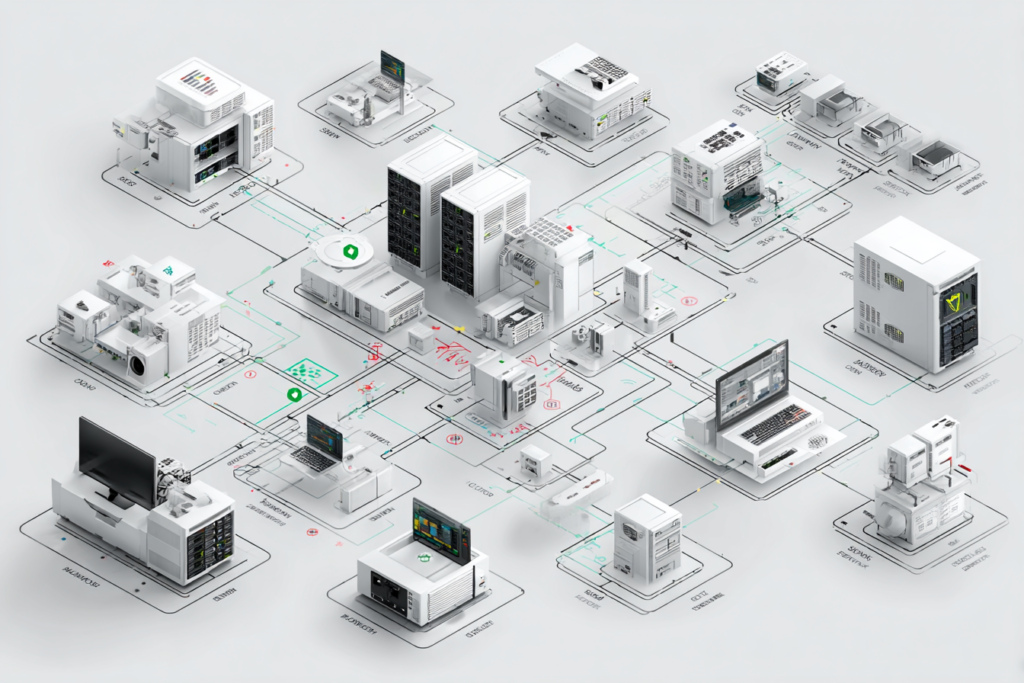
Well-managed infrastructure does more than prevent problems. It actively supports growth by enabling new capabilities and improving efficiency.
Reliable systems allow teams to work without interruption. Scalable platforms support expansion without major rework. Clear visibility into infrastructure performance helps leaders make informed decisions.
For Australian companies competing in both local and global markets, strong infrastructure management provides a foundation for innovation and resilience.
Selecting the right partner is a critical decision. Businesses should look for providers with proven experience, clear processes, and a proactive approach.
Transparency around reporting, response times, and responsibilities is essential. A strong partner acts as an extension of the business, not just a reactive support desk.
Local knowledge can also be valuable, particularly when navigating Australian regulations and connectivity considerations.
IT infrastructure management is no longer optional for Australian companies. As technology environments grow more complex, proactive management becomes essential to maintain reliability, security, and control.
Whether managed internally or through IT infrastructure management services, the focus should always be on alignment with business goals. By investing in structured processes, visibility, and expertise, businesses can turn infrastructure from a source of risk into a driver of growth.
What are IT infrastructure management services?
IT infrastructure management services involve monitoring, maintaining, and optimising core technology systems such as networks, servers, cloud platforms, and endpoints. These services help businesses reduce downtime, improve security, and control costs while supporting growth.
Why is managing IT infrastructure important for Australian businesses?
Can small businesses benefit from IT infrastructure management?
Yes, small businesses benefit significantly from IT infrastructure management. Structured management helps prevent costly disruptions, improves security, and provides access to expertise that may not be available internally.
How do IT infrastructure management services support remote work?
IT infrastructure management services support remote work by ensuring secure access, reliable connectivity, and consistent performance across devices and locations. This helps Australian companies maintain productivity with distributed teams.
Managing IT infrastructure internally relies on in-house resources, which may be limited. Using IT infrastructure management services provides access to specialised expertise, proactive monitoring, and structured processes that reduce risk and improve efficiency.
Our local team reviews your systems and recommends the right infrastructure strategy for security. Contact us on 1300 EPIC IT for a free consultation.