



Cloud technology has become a core part of how Australian businesses operate, compete, and grow. What was once considered an enterprise-only solution is now a practical and strategic option for small and medium businesses across every industry. From accounting firms and retailers to professional services and healthcare providers, the benefits of cloud computing are reshaping how organisations use technology.
For Australian SMBs, cloud adoption is no longer just about convenience. It is about resilience, flexibility, and long-term sustainability in an increasingly digital economy. Rising operational costs, remote work expectations, and cybersecurity threats all play a role in why businesses are turning to cloud solutions.
This article explores the most important benefits of cloud computing for small and medium businesses in Australia, explaining how cloud-based systems support growth, efficiency, and security in 2026 and beyond.
Cloud computing allows businesses to access IT resources such as servers, storage, applications, and data over the internet instead of relying solely on on-premises infrastructure. These resources are typically delivered through subscription-based models, making them more accessible to smaller organisations.
For Australian SMBs, cloud adoption often starts with email, file storage, or accounting software, then expands into full business platforms. Understanding the benefits of cloud-based computing helps decision-makers see how cloud services align with business goals rather than viewing them as purely technical tools.
Small and medium businesses operate with limited resources and tighter margins than large enterprises. Every technology investment must deliver clear value. The benefits of cloud computing address these challenges by reducing upfront costs, improving flexibility, and enabling access to enterprise-grade tools.
Cloud platforms allow businesses to scale at their own pace, respond quickly to market changes, and maintain continuity even during disruptions. These advantages are especially important in Australia, where businesses often support distributed teams and clients across large geographic areas.
One of the most immediate benefits of cloud computing is the reduction in capital expenditure. Traditional IT infrastructure requires significant upfront investment in servers, networking equipment, and software licences.
With cloud-based services, businesses pay for what they use through predictable monthly or annual subscriptions. This shifts IT spending from capital expenses to operational expenses, making budgeting more manageable for SMBs.
Scalability is one of the most valuable cloud computing benefits for growing businesses. Cloud platforms allow resources to be increased or decreased as needed, without the delays and costs associated with purchasing new hardware.
For Australian SMBs experiencing seasonal demand or rapid growth, this flexibility ensures systems can adapt without overprovisioning or performance issues.
Remote and hybrid work models are now standard across many Australian industries. Cloud computing supports this shift by enabling secure access to systems and data from any location.
Employees can collaborate in real time, access applications through web browsers, and remain productive whether they are in the office, at home, or on the road. This flexibility is a key benefit of cloud-based computing for modern workforces.
Security concerns are often raised during cloud discussions, but reputable cloud providers invest heavily in security measures that exceed what most SMBs can achieve internally.
Encryption, access controls, monitoring, and regular updates are built into cloud platforms. When combined with strong internal policies, these features form a robust security foundation.
The benefits of cloud computing also include improved resilience, with built-in redundancy and disaster recovery options that protect data from hardware failures or local disruptions.
Managing software updates and infrastructure maintenance can consume significant time for small IT teams or business owners. Cloud platforms handle updates automatically, ensuring systems remain current and secure.
This reduces the burden on internal resources and minimises downtime caused by outdated software. Automatic maintenance is a practical cloud computing benefit that supports operational stability.

Cloud-based applications enable teams to work together in real time, sharing documents, managing projects, and communicating seamlessly. This improves productivity and reduces delays caused by version control issues or disconnected systems.
For Australian SMBs working with clients across time zones or regions, collaboration tools are a major advantage.
Cloud platforms allow businesses to deploy new applications quickly, without lengthy installation processes. This speed enables SMBs to adopt tools that support changing business needs, such as customer relationship management or analytics platforms.
Faster deployment helps businesses stay competitive and responsive to market demands.
Data loss can have serious consequences for small businesses. Cloud platforms typically include automated backup and recovery features that protect critical information. These capabilities reduce the risk of permanent data loss due to cyber incidents, hardware failures, or human error. Business continuity is one of the most important benefits of cloud-based computing for risk management.
Cloud infrastructure is designed for high availability, with systems distributed across multiple data centres. This architecture reduces downtime caused by local outages or equipment failures.
For Australian SMBs, this reliability supports consistent service delivery and protects revenue streams.
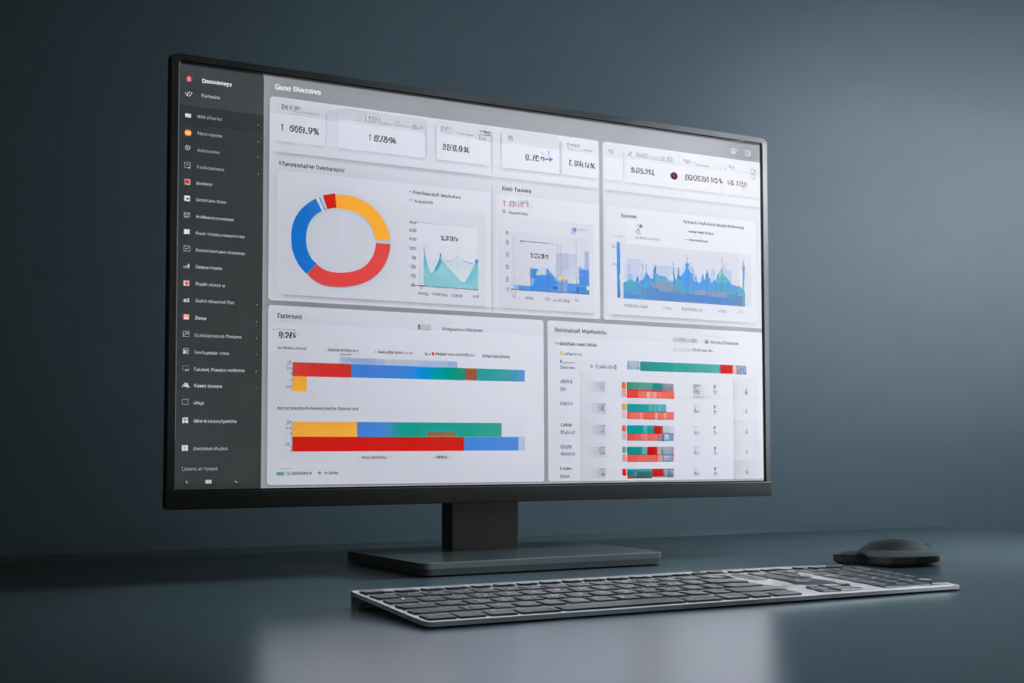
Cloud subscriptions provide predictable pricing models that help businesses manage cash flow. Instead of unexpected repair or replacement costs, expenses are planned and transparent.
This predictability is especially valuable for small and medium businesses managing tight budgets.
By moving infrastructure to the cloud, businesses reduce costs associated with power, cooling, physical space, and hardware maintenance. These savings can be redirected into growth initiatives or customer-facing improvements.
Cost efficiency is a long-term benefit of cloud computing that supports sustainable operations.
Australian businesses must consider data protection and industry-specific regulations when adopting cloud solutions. Many cloud providers offer compliance frameworks and data residency options aligned with Australian requirements. Understanding these features helps SMBs leverage the benefits of cloud-based computing while meeting legal and ethical obligations.
Not all cloud solutions are the same. Businesses can choose from public, private, or hybrid models depending on their needs. The right approach depends on factors such as data sensitivity, performance requirements, and budget.
Evaluating these options ensures businesses realise the full cloud computing benefits without unnecessary complexity.
Successful cloud adoption requires planning, training, and clear objectives. Businesses should assess current systems, identify priorities, and prepare staff for new workflows.
Change management plays a critical role in ensuring employees understand and embrace cloud tools, maximising the benefits of cloud computing across the organisation.
For small and medium businesses in Australia, the benefits of cloud computing extend far beyond convenience. Cloud technology supports growth, improves resilience, and enables access to tools that were once out of reach for smaller organisations.
By understanding the benefits of cloud-based computing and aligning cloud strategies with business goals, Australian SMBs can build a flexible and secure technology foundation. As digital demands continue to evolve, cloud adoption will remain a key driver of efficiency, competitiveness, and long-term success.
What are the main benefits of cloud computing for small businesses?
The main benefits of cloud computing for small businesses include lower upfront costs, scalability, improved security, remote access, and predictable IT expenses. These advantages help small businesses operate more efficiently and compete with larger organisations.
How do the benefits of cloud-based computing support business growth?
The benefits of cloud-based computing support growth by allowing businesses to scale resources on demand, deploy new tools quickly, and support flexible work models without major infrastructure investments.
Are cloud computing benefits suitable for Australian regulations?
Yes, many cloud providers offer services aligned with Australian regulatory and data protection requirements. Understanding provider compliance options helps businesses realise cloud computing benefits while meeting obligations.
What cloud computing benefits help with disaster recovery?
Cloud computing benefits such as automated backups, redundancy, and high availability help businesses recover quickly from disruptions and reduce the risk of data loss.
Can medium-sized businesses gain the same cloud computing benefits as enterprises?
Yes, medium-sized businesses can access the same cloud computing benefits as enterprises, including advanced security, analytics, and collaboration tools, without the complexity or cost of traditional infrastructure.
We help Australian SMBs unlock the key benefits of cloud computing. Contact us on 1300 EPIC IT for a free consultation.