



Australian small and medium-sized enterprises are under increasing pressure to support flexible work, strengthen cybersecurity, and control IT costs. As workforces become more distributed and cloud adoption accelerates, traditional desktop environments are struggling to keep up. This is where virtual desktop infrastructure has become a powerful solution for modern businesses.
Virtual desktop infrastructure allows employees to access their desktop environments securely from virtually anywhere, using a wide range of devices. For Australian SMEs, this technology offers a balance between performance, control, and cost-efficiency. Understanding how it works, its advantages, and how to implement it correctly is essential for businesses looking to future-proof their IT environments.

Virtual desktop infrastructure is a technology that hosts desktop environments on centralised servers rather than on individual devices. Instead of running applications and storing data locally, users connect to a virtual desktop that operates within a secure data centre or cloud environment.
From the user’s perspective, the experience is similar to a traditional desktop. They log in, access their applications, and work as normal. Behind the scenes, IT teams manage operating systems, updates, security controls, and backups centrally.
For Australian SMEs, virtual desktop infrastructure reduces the complexity of managing multiple endpoints. Whether staff are in the office, working from home, or travelling, they can securely access the same desktop environment without relying on a specific physical device.
The Australian business landscape has changed significantly in recent years. Remote work, hybrid models, and flexible employment arrangements are now standard across many industries. At the same time, cyber threats targeting SMEs continue to rise.
Virtual desktop infrastructure addresses these challenges by centralising control while enabling flexibility. Businesses no longer need to worry about data being stored on personal laptops or unsecured devices. Instead, sensitive information remains within controlled environments that are easier to monitor and protect.
Cost predictability is another driver. With virtual desktop infrastructure, SMEs can extend the life of existing hardware, reduce support overheads, and scale resources up or down as needed. This aligns well with the budget constraints many Australian businesses face.
One of the most significant benefits of implementing a virtual desktop infrastructure is flexibility. Employees can work from almost any location without compromising access to systems or performance. This improves productivity and supports modern work expectations.
Virtual desktop infrastructure also simplifies onboarding and offboarding. New staff can be provisioned with a desktop environment quickly, while access for departing employees can be revoked instantly. This reduces administrative burden and minimises security risks.
From a productivity perspective, users benefit from consistent performance and fewer device-related issues. Because applications run on centralised infrastructure, problems caused by outdated hardware or misconfigured systems are significantly reduced.
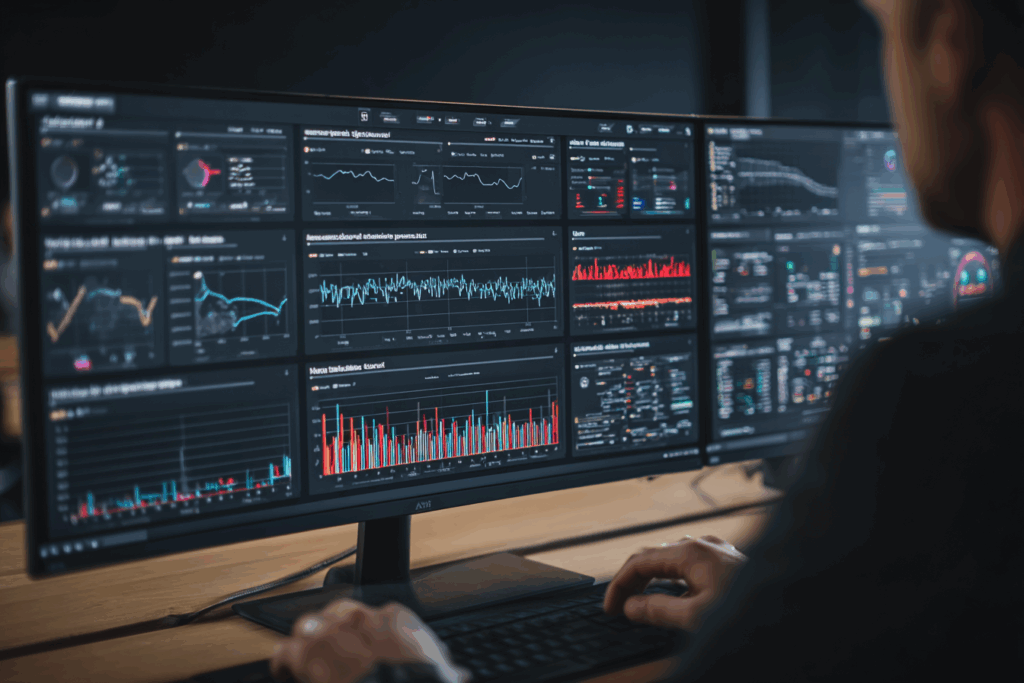
Virtual desktop infrastructure security is one of the strongest reasons SMEs adopt this technology. Centralised desktops significantly reduce the risk of data loss caused by lost or stolen devices. Since data is not stored locally, compromised hardware does not automatically mean compromised information.
Security updates and patches can be deployed consistently across all virtual desktops, reducing vulnerabilities caused by outdated software. IT teams gain greater visibility into user activity, making it easier to detect and respond to suspicious behaviour. For Australian businesses handling sensitive data, virtual desktop infrastructure security also supports compliance with privacy and data protection regulations. Access controls, encryption, and audit logging can be implemented more effectively in a centralised environment.
Compliance requirements are becoming more complex across industries such as healthcare, finance, and professional services. Virtual desktop infrastructure helps SMEs meet these obligations by enforcing standardised security policies.
Access to virtual desktops can be restricted based on location, device type, or user role. Multi-factor authentication adds another layer of protection, reducing the risk of unauthorised access.
From a risk management perspective, virtual desktop infrastructure makes it easier to implement disaster recovery and business continuity strategies. Backups and redundancy can be managed centrally, ensuring minimal disruption during outages or incidents.
Successful adoption of virtual desktop infrastructure requires careful planning. SMEs should start by assessing their current IT environment, user requirements, and application dependencies. Not all workloads are the same, and understanding usage patterns is essential.
Network performance is a critical factor. Since virtual desktops rely on connectivity, businesses must ensure reliable internet access and sufficient bandwidth, particularly for remote users across Australia.
Planning also involves choosing between on-premises, cloud-based, or hybrid virtual desktop infrastructure models. Each option has different costs, performance, and management implications. Working with an experienced managed service provider can help SMEs make informed decisions aligned with their goals.
While virtual desktop infrastructure offers many benefits, it is not without challenges. Poor planning can lead to performance issues, user dissatisfaction, or unexpected costs.
One common issue is underestimating resource requirements. If server capacity is insufficient, users may experience slow response times. Another challenge is application compatibility, particularly with legacy software that may not perform well in virtual environments.
Change management is also important. Employees may need training to understand how virtual desktops work and how to access support. Clear communication helps ensure a smooth transition and higher adoption rates.

Technology adoption is not just about solving today’s problems. Virtual desktop infrastructure positions SMEs to adapt to future changes in the workplace, cybersecurity landscape, and regulatory environment.
As cloud services mature and remote work continues to evolve, virtual desktop infrastructure provides a scalable foundation. Businesses can integrate new tools, support emerging work models, and maintain strong security controls without rebuilding their IT environment.
For Australian SMEs focused on growth and resilience, virtual desktop infrastructure is a forward-looking investment that supports both operational efficiency and long-term strategy.
Virtual desktop infrastructure offers a compelling combination of flexibility, security, and cost efficiency for Australian SMEs. By centralising desktops and applications, businesses gain greater control while empowering employees to work productively from anywhere.
The benefits of implementing a virtual desktop infrastructure extend beyond IT. Improved security, simplified management, and scalable infrastructure support broader business objectives and reduce operational risk.
With careful planning and the right support, virtual desktop infrastructure can transform how SMEs operate in an increasingly digital and distributed world. Contact us on 1300 EPIC IT to discuss whether VDI is the right fit for your business.
Epic IT helps Australian SMEs design, deploy, and manage VDI solutions that improve flexibility, security, and cost efficiency across your workforce.
Or call us on 1300 EPIC IT (1300 374 248)